What is ‘mirror life’ and why are scientists sounding the alarm?

Loading player...
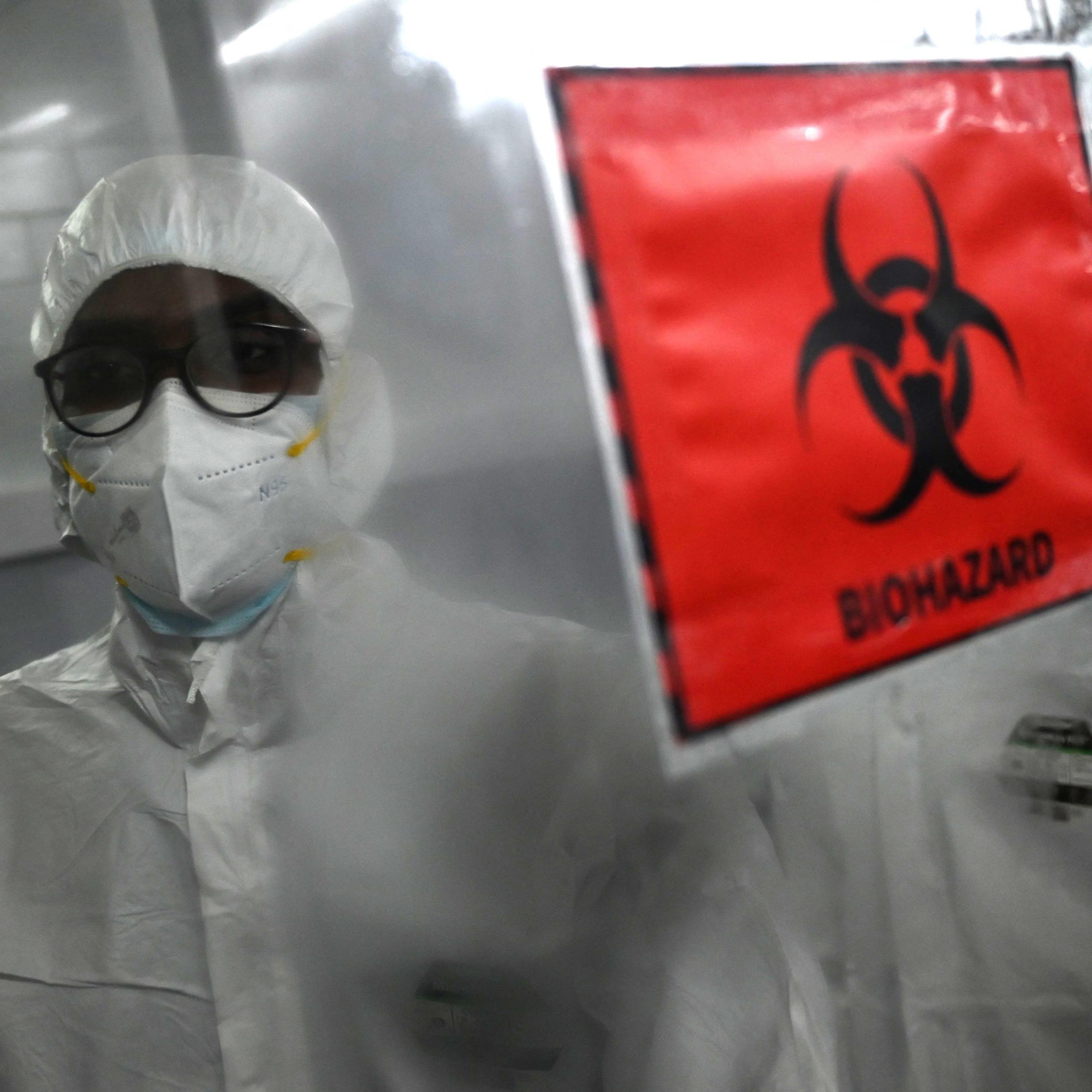
Recently, a group of world-leading scientists called for a halt on research to create ‘mirror life’ microbes amid concerns that the synthetic organisms would present an ‘unprecedented risk’ to life on Earth. Ian Sample tells Madeleine Finlay about why this work initially seemed exciting for scientists and what the risks of it continuing could be. And Kate Adamala, assistant professor of genetics, cell biology and development at the University of Minnesota, describes what made her change her mind about pursuing her own research on mirror cells. Help support our independent journalism at theguardian.com/sciencepod
12 Feb 2025 English United Kingdom Science · Nature

Other recent episodes

The incredible science of the sleeping brain

Humans have been wondering why we sleep for thousands of years. Is sleep’s purpose rest and relaxation, memory consolidation or maybe cognitive processing? In the last 15 years, scientists have discovered another possible explanation – waste disposal. In 2012 neuroscientist Maiken Nedergaard’s lab discovered that the brain has its own…
2 Jun 14 min

Are robots nearing their ChatGPT moment?

Last month at Beijing’s half marathon, a robot named Lightning beat the human world record by nearly seven minutes. It’s the latest in a string of AI-powered milestones that have got people wondering whether robots are about to enter our everyday lives, just as chatbots have. And the country leading…
28 May 17 min

Do red-light masks really keep you looking young?

Home red-light therapy devices have exploded in popularity as masks, body wraps and mittens promise to reduce wrinkles, redness and even acne. But do the claims stack up, and what other benefits are scientists investigating? Ian Sample hears from his co-host, Madeleine Finlay, and the consultant dermatologist Dr Jonathan Kentley…
26 May 14 min

Can a name change transform PCOS outcomes for women?

After more than a decade of global consultation, polycystic ovary syndrome – which affects as many as one in eight women – has been renamed. The condition is caused by high levels of androgens, which can lead to symptoms such as excess hair, weight gain and irregular periods. To understand…
21 May 16 min