Hantavirus explained: how does it spread and who is most at risk?

Loading player...
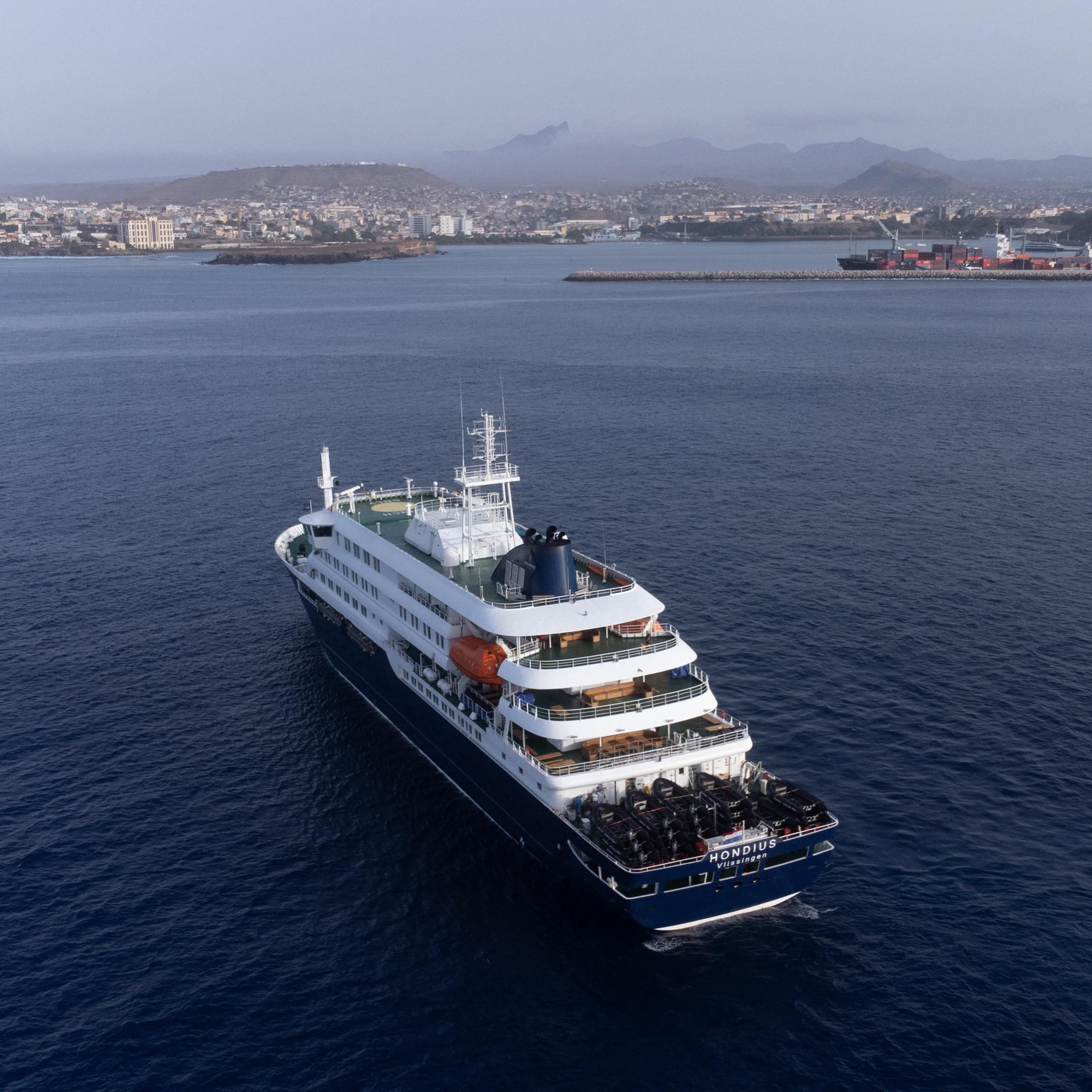
Three people have died after an outbreak of hantavirus onboard a cruise ship travelling from Argentina to Cape Verde. The World Health Organization says that a total of seven cases – two confirmed by laboratory testing and five suspected – have been identified on the cruise ship so far. They are also investigating whether rare human-to-human transmission of the virus could be behind the cases. Madeleine Finlay talks to Prof Jonathan Ball from Liverpool School of Tropical Medicine to find out where the virus comes from, how it is transmitted to humans, and what health agencies will be doing to try to contain it. Help support our independent journalism at theguardian.com/sciencepod
5 May English United Kingdom Science · Nature

Other recent episodes

Revisited: A Scottish tea mystery, episode one – green shoots

Science correspondent Nicola Davis investigates the strange story of Tam O’Braan and his attempts to grow tea in Scotland. In episode one of this mini-series first broadcast in October 2025, Nicola looks back on her first meeting with O’Braan while working on a feature about tea plantations in the UK…
21 Jul 22 min

Can a world-first gene therapy reverse ageing?

The first person has been treated with a highly anticipated new gene therapy that aims to turn back the clock on ageing cells. The trial is aimed at retinal cells, with the hope that encouraging them to behave as if they were young again could improve sight in the affected…
16 Jul 18 min

Fungi: the invisible force protecting our planet

Scientists often talk about the importance of flora and fauna to the health of our planet, but Dr Toby Kiers, an evolutionary biologist and founder of the Society for the Protection of Underground Networks, wants us to consider another force: fungi. Her work charting the planet’s vital underground systems has…
14 Jul 16 min

Is male testosterone in freefall?

Men’s average testosterone levels have halved over the past 50 years, according to scientists who say society is facing a male fertility crisis. Rising levels of obesity and diabetes are expected to play a part, but the team behind the work suggest that environmental factors such as endocrine-disrupting chemicals –…
9 Jul 14 min

‘A break from scrolling’: how Gen Z fell in love with birding

In the last 50 years, Britain has lost an astonishing 73 million wild birds from its landscape, according to the British Trust for Ornithology. Habitat loss, pesticides, disease, cats and the climate crisis mean there are fewer birds than ever before. For children and young people it can be difficult…
7 Jul 16 min